

Dry Eye Syndrome Treatment at Greenacres Eye Associates
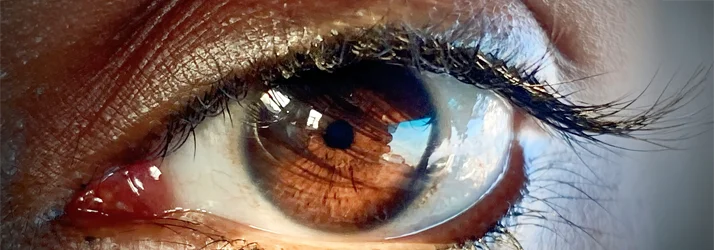
Dry eye syndrome is one of the most common conditions affecting eye comfort and vision. It occurs when your eyes do not produce enough tears or when the tears evaporate too quickly, leading to feelings of dryness, irritation, and fatigue. This condition can interfere with daily activities such as reading, using digital devices, driving, or even being outdoors.
At Greenacres Eye Associates, we understand the impact dry eye can have on your life, and we offer effective treatments designed to restore comfort and support healthy vision. Whether your symptoms are occasional or constant, our practice provides comprehensive evaluations and personalized therapies to address the underlying causes of your dry eye.
What Is Dry Eye Syndrome?
Dry eye syndrome develops when the tear film—the protective layer of moisture on the surface of the eye—becomes unstable. A healthy tear film is essential for keeping the eyes lubricated, maintaining clear vision, and preventing infections. When the tear film is compromised, you may experience symptoms such as the following:
- A feeling of chronic dryness in the eyes
- Stinging or burning sensations
- A gritty feeling, as if something is in your eye
- Redness and irritation
- Temporary blurred vision that improves after blinking
- Watery eyes, which are the body's reflex response to the irritation from dryness
For some, these symptoms are a mild annoyance, but for others, they can significantly impact their quality of life. If left untreated, severe dry eye can increase the risk of eye infections and cause damage to the cornea, the clear front surface of the eye.
Causes of Dry Eye
Dry eye can have many different causes, and identifying the specific triggers is key to effective treatment. Common causes can include several factors:
- Age: Tear production naturally decreases as we get older.
- Environmental Factors: Air conditioning, heating, and prolonged screen time can increase tear evaporation.
- Medical Conditions: Conditions like diabetes, rheumatoid arthritis, and thyroid disorders are linked to dry eye.
- Medications: Antihistamines, antidepressants, and some blood pressure medications can affect tear production.
- Contact Lens Wear: Long-term use of contact lenses can disrupt the tear film and lead to dryness.
- Hormonal Changes: Pregnancy, menopause, and the use of oral contraceptives can affect tear balance, particularly in women.
By understanding the cause of your symptoms, our team can create a targeted treatment plan.
Our Approach to Diagnosis
At Greenacres Eye Associates, we take a detailed approach to diagnosing dry eye, as an accurate diagnosis guides the most effective treatment. During your evaluation, Dr. Benjamin Bittner, OD will perform a comprehensive exam that may include:
- Assessment of your tear quantity and quality
- Evaluation of your ocular surface health
- A thorough review of your medical history and medications
- Measurement of how quickly your tears evaporate
This careful process allows us to treat the root cause of your condition instead of just masking the symptoms.
Management and Treatment of Dry Eye Syndrome
Because dry eye varies from person to person, we develop individualized care plans that combine evidence-based therapies with practical lifestyle adjustments. Available treatments include:
- Artificial Tears and Lubricating Drops: Over-the-counter or prescription lubricating drops can provide immediate relief by supplementing your natural tear production.
- Prescription Medications: In some cases, prescription eye drops may be recommended to reduce inflammation, stimulate natural tear production, or manage tear drainage.
- Punctal Plugs: These are tiny, biocompatible devices inserted into the tear ducts to block drainage. This keeps natural tears on the eye's surface for a longer period.
- Warm Compress Therapy: This therapy can help release natural oils from glands in the eyelids, which is beneficial for patients whose dry eye is caused by rapid tear evaporation (Meibomian Gland Dysfunction).
- Lifestyle and Environmental Modifications: Simple changes, such as adjusting screen time, protecting your eyes outdoors, and modifying contact lens wear, can significantly improve symptoms.
- Nutritional Support: Supplements containing omega-3 fatty acids may help improve tear film stability and reduce inflammation.
Meet Your Eye Care Provider
Dr. Benjamin Bittner, OD leads the team at Greenacres Eye Associates and is dedicated to providing comprehensive and compassionate eye care. He has extensive experience in diagnosing and treating dry eye syndrome, offering expert advice and effective treatments to meet each patient's vision needs. His care philosophy is centered on giving each patient his full attention and providing clear education. He takes the time to understand your concerns and develops personalized treatment plans to alleviate discomfort and prevent symptoms from recurring.
Insurance and Payment Policies
We believe that everyone deserves access to quality eye care. Greenacres Eye Associates accepts a wide variety of insurance providers:
- Medicare
- United Healthcare
- Cigna
- Aetna
- Blue Cross & Blue Shield
- Medicaid
- Tricare
Our team works with you to maximize your insurance benefits and keep any out-of-pocket costs low. We can verify your coverage before your appointment to ensure a smooth process.
Location Information
Greenacres Eye Associates
5493 10th Ave N Greenacres, FL 33463

OFFICE HOURS
Monday
9:00am - 6:00pm
Tuesday
9:00am - 7:00pm
Wednesday
Closed
Thursday
9:00am - 7:00pm
Friday
9:00am - 6:00pm
Saturday
9:00am - 1:00pm
Sunday
Closed
Greenacres Eye Associates
5493 10th Ave N
Greenacres, FL 33463